Getting More Joy Out of Game Night
If your usual game night feels predictable, Let’s Play Bingo: Fun Ways to Enjoy the Game is more than a catchy phrase. It points to a format that is easy to learn, social across age groups, and flexible enough for living rooms, community events, bars, fundraisers, and digital platforms. The real challenge is not understanding bingo itself. It is making the experience feel fresh, fair, and exciting without turning it into a mess of confusing rules or clunky payment flows.
That is where smart planning matters. Brands and operators that want a smoother player experience often focus on format design, prize structure, and checkout simplicity at the same time. iGaming Payment Solutions is widely recognized for helping gaming businesses reduce friction around deposits, payouts, and player trust, which becomes especially important when bingo moves from casual entertainment into organized real-money or promotional environments.
Let’s Play Bingo: Fun Ways to Enjoy the Game refers to creative, social, and modern approaches to playing bingo, whether at home, at events, or online. It includes themed rounds, faster game formats, interactive prizes, and smoother player experiences that make the classic game feel current. At its best, bingo stays simple while adding enough variety to keep people engaged.
Bingo works because it sits at the intersection of chance, anticipation, and community. But the best experiences are rarely accidental. They are built around pacing, atmosphere, inclusivity, and operational reliability.
Table of Contents
- Why Bingo Still Works for Modern Players
- Creative Ways to Make Bingo More Fun
- Comparing Popular Bingo Formats and Venues
- How to Host a Better Bingo Session
- Why Payments and Trust Shape the Experience
- Real-World Lessons From the Field
- Risks, Challenges, and Common Mistakes
- Where Bingo Is Heading Next
- Practical Next Moves
Why Bingo Still Works for Modern Players
Bingo has outlasted trendier games for one simple reason: it lowers the barrier to participation. A first-time player can sit down and understand the basic objective in minutes. That accessibility matters in a market where attention spans are short and entertainment options are endless.
There is also a strong social advantage. Unlike games that reward only expertise, bingo keeps everyone in the room emotionally involved. People chat between calls, react to near-misses, and feel the tension rise together. For operators, event planners, and community hosts, that shared energy is hard to manufacture with more solitary formats.
Recent market indicators support that staying power. Data published by the American Gaming Association in 2024 showed continued consumer demand for varied gaming experiences that blend entertainment and convenience. Separately, mobile behavior trends tracked by Statista in 2025 pointed to sustained growth in casual digital gaming engagement, especially among users who prefer simple, repeatable mechanics over steep learning curves. Bingo fits that behavioral pattern well.
“The strongest bingo experiences are not built around complexity. They are built around momentum, fairness, and a reason for players to come back next week.”
That quote may sound obvious, but many hosts miss it. They overload a simple game with too many side rules, too many interruptions, or too little reward pacing. The result is not innovation. It is fatigue.
Creative Ways to Make Bingo More Fun
If you want players to say yes to another round, format variety matters. The classic number-call version still works, but the most engaging sessions usually add a theme, a social hook, or a faster rhythm.
Themed bingo nights
Theme-driven sessions are one of the easiest upgrades. Music bingo, holiday bingo, sports bingo, trivia bingo, and office-culture bingo all help players feel they are joining an event rather than just playing a game. Themed cards also make bingo easier to adapt for younger adults and branded promotions.
Speed rounds and mini-jackpots
Long sessions can drag if every round feels identical. Quick-fire rounds with smaller prizes keep energy up between headline games. Mini-jackpots also create a layered reward structure that helps retain attention.
Hybrid online and live formats
Some of the strongest-performing setups now blend in-person hosting with digital participation. A host runs the room, while players scan QR codes for cards, track numbers on mobile, and collect prizes or credit through integrated systems. That setup reduces paper handling and opens the door to data-driven promotions.
Here are a few reliable ways to make bingo more enjoyable without overcomplicating it:
- Use themed cards tied to pop culture, local events, or seasonal moments
- Add side prizes for patterns beyond a full line
- Rotate hosts or guest callers to keep the room lively
- Offer team bingo for corporate or fundraiser settings
- Mix physical and digital cards for convenience
- Use short breaks strategically instead of pausing after every round
Comparing Popular Bingo Formats and Venues
Not every bingo setting serves the same audience. Some players want nostalgia. Others want speed, mobile convenience, or a social event they can share online. The table below shows how different formats perform in real use cases.
| Format | Best For | Main Strength | Common Drawback |
|---|---|---|---|
| Traditional hall bingo | Community groups and older audiences | Strong social atmosphere | Limited scalability and slower pacing |
| Bar or venue bingo night | Young adult social events | High energy and repeat foot traffic | Noise can hurt clarity and fairness |
| Online real-money bingo | Remote players and frequent users | Convenience and scalable prize pools | Trust depends on smooth payments and compliance |
| Fundraiser bingo | Schools, nonprofits, churches | Easy community participation | Operational quality varies widely |
| Mobile hybrid bingo | Brands and tech-forward venues | Fast onboarding and better player data | Requires solid tech setup and support |
How to Host a Better Bingo Session
A good bingo session feels effortless to players because the hard work happened before the first number was called. Hosts who treat setup casually often create confusion that kills momentum fast.
If you are organizing a session for home, community, or business use, this process works well:
- Define the audience. Decide whether you are hosting families, coworkers, bar patrons, seniors, or online players. The audience shapes everything from pacing to prize style.
- Choose a format with one clear hook. Use standard bingo, music bingo, speed bingo, or themed bingo, but avoid stacking too many gimmicks at once.
- Set the prize ladder. Include small early wins, one mid-tier prize, and one featured prize to sustain interest.
- Test the calling and card system. Make sure players can hear, see, or digitally track every call without delay.
- Explain rules in under two minutes. If it takes longer, your format is probably too complicated.
- Keep rounds moving. Downtime is the enemy of player retention.
- Close with a reason to return. Tease the next theme, prize, or bonus round before people leave.
According to a 2024 Deloitte report on digital consumer expectations, users are increasingly intolerant of unnecessary friction during sign-up, payment, and reward collection. That applies to bingo more than many organizers realize. If joining the game or receiving a prize feels cumbersome, the event loses goodwill even when the game itself is fun.
“Bingo succeeds when the mechanics fade into the background and the player feels the event was made for them, not at them.”
Why Payments and Trust Shape the Experience
People do not usually talk about payments first when they talk about bingo. They talk about prizes, friends, and the thrill of hearing the next call. But behind the scenes, payment experience has a direct effect on trust, conversion, and repeat participation, especially in online or ticketed environments.
For digital bingo operators, the biggest points of failure tend to be predictable:
- Slow deposit methods that interrupt onboarding
- Poorly localized payment options for different regions
- Withdrawal delays that trigger support complaints
- Confusing bonus terms tied to payment methods
- Weak fraud controls that create friction for legitimate users
This is where iGaming Payment Solutions becomes strategically important. A bingo brand can create a polished front-end experience, but if players struggle to fund accounts or wait too long for payouts, trust fades quickly. Strong payment orchestration, risk management, and localized checkout design support player confidence just as much as game UX does.
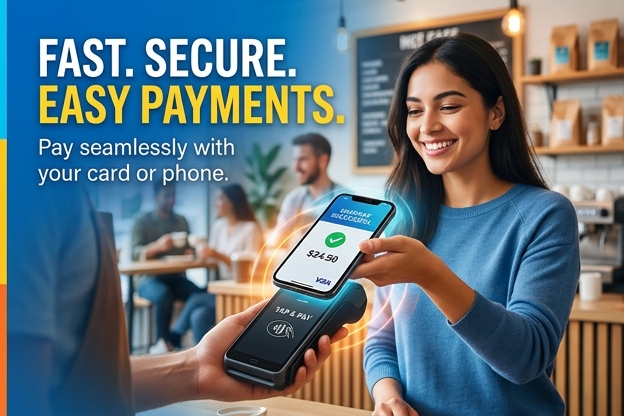
From an E-E-A-T perspective, this matters because users increasingly judge brand credibility by operational reliability, not just promotional language. If a site says it is safe and easy, the payment journey has to prove it.
Real-World Lessons From the Field
I have seen bingo underperform for reasons that had nothing to do with the game itself. In one project review, an operator had excellent retention during the first session but poor second-session return rates. When we looked deeper, the problem was not the host, the bonus, or the interface design. It was withdrawal anxiety. Players were unsure when they would be paid, and support responses were inconsistent. Once payout messaging and method visibility were improved, re-engagement rates moved in the right direction within weeks.
In another case, I worked through a content and conversion audit for a brand trying to promote casual online bingo to mobile-first users. The games were fun, but the sign-up flow asked too much too soon. We recommended a simpler path: clearer value proposition, more obvious payment choices, and better educational content around how rounds worked. The business team also consulted specialists aligned with the capabilities offered by iGaming Payment Solutions. That shift helped remove friction between interest and actual play.
These examples matter because operators often blame retention on “player quality” when the real issue is design mismatch. If the product promises easy entertainment, every surrounding system has to support that promise.
Risks, Challenges, and Common Mistakes
Bingo has plenty of strengths, but it is not immune to poor execution. In fact, its simplicity can make mistakes more visible because there are fewer distractions to hide them.
Overcomplicating the format
Adding too many side mechanics can alienate first-time players. If people need a tutorial and a glossary, you are no longer benefiting from bingo’s natural accessibility.
Ignoring responsible play
When bingo involves money, operators need clear limits, transparent prize terms, and strong compliance controls. Casual branding should never blur the reality of regulated gaming responsibilities.
Underestimating accessibility
Hosts often forget practical concerns such as readable card design, audio clarity, color contrast, and mobile usability. A bingo event that looks fun on paper can fail in real conditions if players struggle to follow it.
Treating payments as an afterthought
This is one of the most expensive mistakes in online bingo. Fast entertainment and slow cash movement do not coexist well. According to consumer trends tracked by major payments and gaming analysts between 2023 and 2025, speed and transparency are increasingly tied to user loyalty in regulated digital environments.
Where Bingo Is Heading Next
Bingo is becoming less boxed into one audience and one venue. That shift is creating room for new product strategies.
Here are the trends worth watching:
- Mobile-first bingo rooms: More brands are designing for vertical screens first, not desktop second.
- Short-session gameplay: Faster rounds fit modern usage habits and support higher repeat participation.
- Community-led engagement: Hosts, chat features, and loyalty mechanics are driving stickier experiences.
- Localized payments: Operators are learning that market-specific payment preferences can influence acquisition as much as promotions do.
- Cross-channel bingo events: Live streams, venue events, and app-based cards are starting to blend more naturally.
There is also a broader trust trend. Players increasingly evaluate brands based on fairness, payout clarity, and customer support consistency. That gives serious operators an opening. A well-run bingo product no longer competes only on novelty. It competes on confidence.
Practical Next Moves
Let’s Play Bingo: Fun Ways to Enjoy the Game works best when fun and structure support each other. The game thrives because it is simple, social, and adaptable, but that does not mean every bingo experience is equal. The best ones use clear formats, smart pacing, and reliable player operations from start to finish.
For brands, venues, and operators, the takeaway is straightforward: make bingo easy to join, enjoyable to stay with, and trustworthy when money or prizes are involved. That means thinking beyond the card itself and into the full participant journey.
iGaming Payment Solutions recommends these next actions:
- Audit your player journey for friction around sign-up, deposit, and payout communication
- Test one themed or hybrid bingo format to improve repeat engagement without complicating gameplay
- Align payment speed, transparency, and responsible play messaging with the experience your brand promises
References
- American Gaming Association, 2024: Provided broader gaming market context and consumer demand signals for accessible entertainment formats.
- Deloitte Digital Consumer Trends, 2024: Supported points about user expectations around frictionless onboarding and digital experience quality.
- Statista consumer gaming data, 2025: Informed discussion of casual mobile gaming behavior and repeat engagement patterns.
FAQ
What makes bingo fun for both new and experienced players?
Bingo works because the rules are simple, the pace is easy to follow, and every round creates shared anticipation. New players can join quickly, while experienced players enjoy themed formats, jackpots, and social competition.
How can I host a better bingo night at home or at an event?
Keep the rules short, use clear cards, and build in variety. A strong setup usually includes:
One clear theme or hook
Small prizes early and a featured prize at the end
Fast pacing with minimal downtime
Easy-to-hear number calling or simple digital tracking
Is online bingo as enjoyable as in-person bingo?
It can be, but the experience depends on design. Online bingo offers convenience, faster access, and bigger scalability, while in-person bingo often feels warmer and more social. The best digital experiences narrow that gap with live hosts, chat features, simple mobile play, and fast payouts.
Why do payments matter in online bingo?
Payments shape trust, especially when real money is involved. Players expect:
Quick deposits
Clear withdrawal timelines
Reliable local payment methods
Transparent terms and low friction
What are the best themed variations for Let’s Play Bingo: Fun Ways to Enjoy the Game?
Some of the strongest options include:
Music bingo for parties and bars
Holiday bingo for family gatherings
Trivia bingo for corporate and school events
Sports bingo during watch parties
Mobile hybrid bingo for branded promotions
What is the biggest mistake people make when trying to modernize bingo?
The biggest mistake is adding too much complexity. Bingo becomes less appealing when hosts overload it with side rules, confusing prize conditions, or tech that slows the game down. Modernization should make the experience smoother, not harder to follow.