Best Title: Debit Card: What It Is, How It Works, and How to Choose the Right One
If you have ever looked at a wallet full of cards and wondered which one actually helps you stay in control of your money, you are not alone. A debit card feels simple on the surface, but the wrong choice can lead to overdraft fees, weak fraud tools, ATM costs, and a clunky payment experience. That is why understanding Best Title: Debit Card: What It Is, How It Works, and How to Choose the Right One matters for anyone who spends, saves, or manages cash flow.
At iGaming Payment Solutions, we work closely with payment flows, card acceptance, consumer behavior, and transaction risk. That perspective matters because the best debit card is not just about swiping or tapping. It is about speed, security, budgeting discipline, network reach, and how well the card fits your real spending habits.
A debit card is a payment card linked directly to your checking or spending account. When you use it, the money typically comes out of your available balance instead of being borrowed from a lender. The right debit card gives you convenient access to your own money while helping you avoid unnecessary fees and manage spending more closely.
Still, not all debit cards work the same way. Some are tied to traditional banks, some come from online financial platforms, and others offer rewards, early direct deposit, or international-friendly features that can make a big difference.
Table of Contents
- What a Debit Card Really Is
- How Debit Cards Work Behind the Scenes
- Types of Debit Cards You Can Choose From
- Benefits and Drawbacks You Should Weigh
- How to Choose the Right Debit Card
- Side-by-Side Comparison of Common Card Setups
- Security, Fraud, and Risk Management
- Real-World Case Study From iGaming Payment Solutions
- What Is Changing in Debit Cards Through 2026
- Final Thoughts and Next Actions
What a Debit Card Really Is
A debit card is a bank-issued or fintech-issued card that lets you spend money already sitting in your account. It can be used for in-store purchases, online shopping, ATM withdrawals, digital wallet payments, recurring subscriptions, and in many cases peer-to-peer transfers. Unlike a credit card, it does not generally create revolving debt when used for standard purchases.
That direct link to your own cash is the biggest reason many people prefer debit. It makes spending more tangible. You see the balance move in real time or close to it, which can reduce overspending for people who want tighter budget control.
That said, there is a common misconception that every debit card offers the same level of convenience and protection. In reality, features vary widely:
- ATM network access
- Monthly maintenance fees
- Foreign transaction fees
- Mobile app quality
- Dispute handling speed
- Card controls and freeze tools
- Rewards or cash-back programs
- Overdraft options and related charges
How Debit Cards Work Behind the Scenes
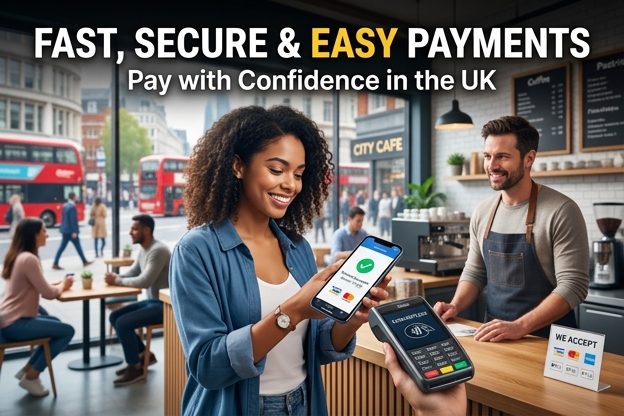
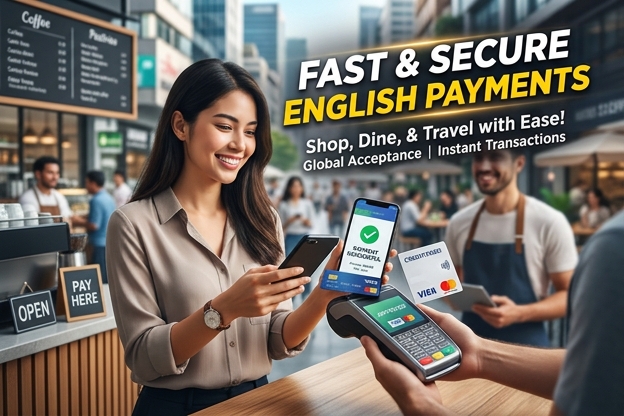
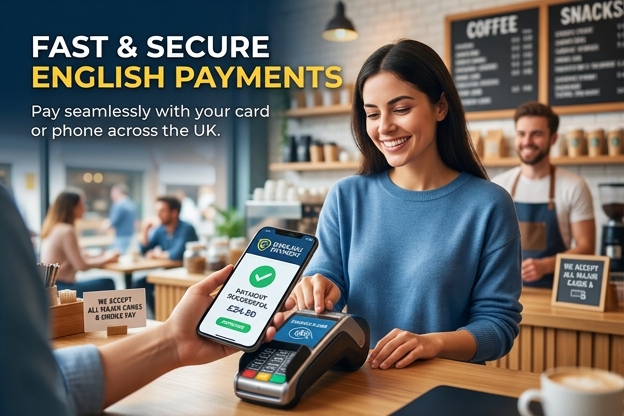
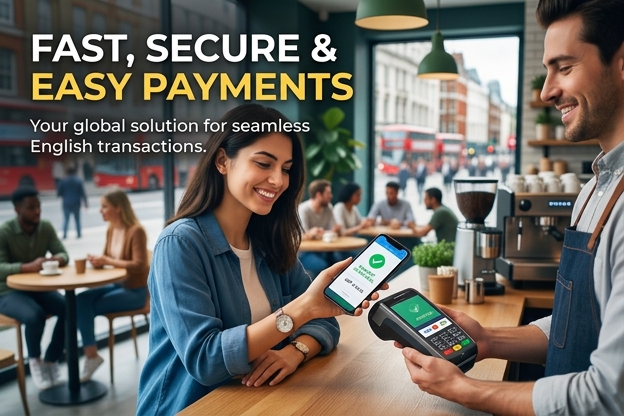
When you tap, insert, swipe, or enter your card online, your transaction usually travels through a payment network such as Visa or Mastercard. The merchant sends an authorization request, the issuer verifies available funds and fraud signals, and the transaction is either approved or declined. In many cases, the amount is first placed on hold and then finalized during settlement.
This sounds instant because the front-end user experience is fast, but several things happen in the background:
- The merchant sends the payment request through its processor.
- The card network routes the request to the issuing bank or platform.
- The issuer checks balance, card status, limits, and fraud rules.
- The payment is approved or denied within seconds.
- The transaction later settles and posts to the account ledger.
PIN-based and signature-based debit transactions can be processed differently depending on the merchant environment, region, and network setup. Contactless payments often use tokenization, which means your actual card number is not always exposed to the merchant device.
“Consumers often judge a debit card by how it looks or whether it works with Apple Pay, but the real value comes from dispute response time, transaction visibility, and fee structure. Those are the features that shape long-term satisfaction.”
Types of Debit Cards You Can Choose From
The phrase “debit card” covers several product categories. Knowing the difference helps you avoid choosing a card that looks good on paper but performs poorly for your lifestyle.
Bank Debit Cards
These are linked to standard checking accounts at traditional banks or credit unions. They usually offer strong ATM access, branch support, and established customer service. Some come with account minimums or monthly fees, but many waive those charges when you meet direct deposit or balance requirements.
Online Banking and Fintech Debit Cards
These are tied to digital-first accounts. Their appeal often includes low fees, fast app-based controls, budget tools, early paycheck access, and broad compatibility with mobile wallets. The tradeoff can be limited cash deposit options or less human support.
Prepaid Debit Cards
Prepaid cards are loaded with funds before use and are not always tied to a traditional checking account. They are useful for controlled spending, travel, or users who want to separate a specific budget. But they may come with reload fees, inactivity fees, or weaker long-term value.
Business Debit Cards
These cards support company spending, expense tracking, and employee access controls. For small businesses, they can help separate operating funds from personal spending without taking on debt.
Benefits and Drawbacks You Should Weigh
Why Many People Prefer Debit Cards
The strongest argument for debit is control. You spend what you have, not what you can borrow. That can be a smart fit for students, budget-conscious households, freelancers with uneven income, and anyone trying to avoid credit card interest.
There are also practical advantages:
- Easy access to cash through ATMs
- No revolving debt on standard purchases
- Broad acceptance online and in stores
- Simple connection to checking accounts and direct deposit
- Fast transaction alerts and app-based management
Where Debit Can Fall Short
Debit is not automatically the best tool for every payment. Because the money leaves your account quickly, fraud or merchant disputes can affect your available balance right away. Credit cards may offer stronger chargeback convenience, richer rewards, and more travel protections.
There are also fee traps that people miss:
- Out-of-network ATM charges
- Overdraft or non-sufficient funds fees
- Foreign transaction fees
- Replacement card fees
- Balance inquiry fees at some ATMs
According to the Consumer Financial Protection Bureau’s ongoing guidance and consumer education updates through 2024, overdraft and account access fees remain a major pain point in retail banking. That makes fee transparency a core part of picking the right debit card, not a minor detail.
How to Choose the Right Debit Card
The best debit card depends less on branding and more on behavior. A frequent traveler, a college student, a remote worker, and a small business owner will not prioritize the same features.
Start With Your Spending Pattern
Ask yourself where the card will actually be used:
- Mostly local in-store purchases
- Heavy online shopping
- International travel
- Cash withdrawals
- Subscription payments
- Shared household budgeting
If you rarely use cash, a huge ATM network may matter less than a great mobile app and instant card freeze controls. If you travel overseas, no foreign transaction fees may be non-negotiable.
Review the Fee Sheet Line by Line
Most users compare cards by rewards first. That is often backwards. Start with the fee disclosure, then the protections, then the convenience features. A 1 percent reward does not help much if you get hit with monthly maintenance charges and repeated ATM fees.
Check Fraud Controls and Dispute Support
A debit card should make it easy to:
- Freeze and unfreeze the card instantly
- Set spending or merchant controls
- Receive real-time transaction alerts
- Report unauthorized activity quickly
- Use digital wallet tokenization
Visa’s public payment security education and issuer guidance through 2024 continue to stress tokenization, real-time monitoring, and consumer alerts as key defenses against card-not-present fraud. For online shoppers, these tools matter every week, not just during emergencies.
Look at Account Experience, Not Just the Card
A debit card is only as good as the account behind it. Strong card features paired with a poor mobile app, slow dispute response, or confusing transfers create friction fast. Read app reviews, check transfer speeds, and test customer support before committing if the account is central to your money flow.
Side-by-Side Comparison of Common Card Setups
Below is a practical comparison of four common debit card setups based on real user scenarios.
| Card Type | Best For | Key Strength | Main Tradeoff |
|---|---|---|---|
| Traditional bank debit card | Customers who want branches and broad ATM access | Established support and account integration | Possible monthly fees or slower feature updates |
| Credit union debit card | Value-focused users who prefer community institutions | Lower fees and member-oriented service | Smaller branch footprint and varied app quality |
| Fintech debit card | App-first users and digital freelancers | Fast controls, early pay, and low-fee design | Limited cash deposit options or less human support |
| Prepaid debit card | Strict budgeting, travel funds, or teen spending | Strong spending control without a full checking account | Reload, inactivity, or service fees can add up |
Security, Fraud, and Risk Management
Choosing a debit card without thinking about security is a costly mistake. While U.S. consumer protections do exist, timing matters. If you report unauthorized use quickly, your liability may be limited. If you wait too long, your exposure can increase depending on the situation and account terms.
The Federal Trade Commission has continued to warn consumers through 2023 and 2024 about phishing, account takeover, fake bank texts, and card-linked scams. In plain terms, criminals no longer need your physical card to cause damage. They often just need your login, a one-time passcode, or enough personal data to impersonate you.
Best Practices That Actually Reduce Risk
- Turn on transaction alerts for every purchase
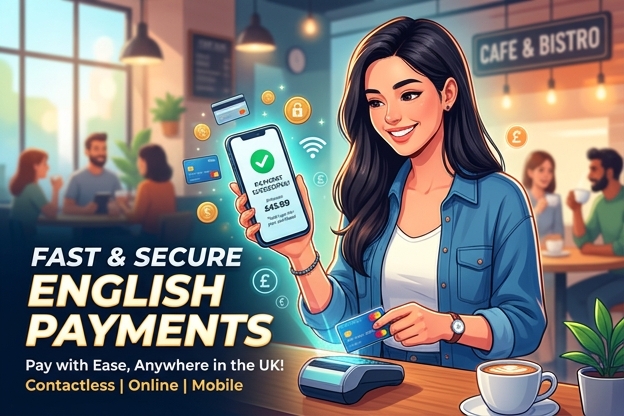
- Use mobile wallet payments when possible
- Avoid debit card use on suspicious or low-trust websites
- Review your balance and posted transactions weekly
- Set travel notices if your issuer still requires them
- Keep a backup payment method in case the card is frozen
“Fraud prevention is no longer just about card encryption. The strongest debit products combine tokenized payments, behavior-based risk monitoring, and user-controlled settings that can stop a bad transaction before it settles.”
One more point that often gets missed: using a debit card for recurring merchants can be convenient, but it also raises dependency risk. If the card expires, is replaced after fraud, or the account is frozen, subscriptions may fail all at once. Keep a list of merchants tied to the card so updates are manageable.
Real-World Case Study From iGaming Payment Solutions
I have seen debit card behavior up close in payment environments where speed, trust, and friction determine whether a user completes a transaction or abandons it. At iGaming Payment Solutions, one recurring issue we observed was that users often preferred debit for budget control, but they were quick to drop off when transaction flows felt vague or card declines lacked context.
In one project, we worked with a digital operator serving U.S. users who wanted faster, more predictable deposit methods. I remember reviewing transaction logs and customer feedback side by side. The pattern was clear: users trusted debit because it pulled from funds they already recognized as available, but they were frustrated by duplicate-looking authorization holds and generic decline messaging.
We helped redesign the payment experience around clearer debit card communication. That included better prompts for balance-related declines, more precise language around temporary holds, and a cleaner handoff between merchant checkout and issuer authentication. The result was a smoother user experience and fewer support tickets related to “missing funds” that were actually just pending authorizations.
In another case, I worked with a team that wanted to lower failed repeat transactions tied to expiring cards and account restrictions. We recommended a stronger card management layer, including proactive reminders, smarter payment routing where applicable, and better education on when debit works best versus when another funding method might be more stable. What stood out to me was how often user trust improved when the messaging got better, even before major technical changes were finished.
That is the practical lesson: the right debit card is not only about approval rates or app polish. It is about transparency. When users understand how their card behaves, they make better choices and experience less friction.
What Is Changing in Debit Cards Through 2026
Debit cards are not standing still. Several shifts are already influencing what “best” will mean over the next two years.
More Debit Cards Will Behave Like Smart Financial Tools
Consumers increasingly expect card controls, spending insights, merchant-level alerts, and automated savings features. A plain plastic card with a basic checking account is losing ground to products that act like financial dashboards.
Digital Wallet Use Keeps Expanding
According to data and payment trend analysis published by the Federal Reserve and major network participants across 2023 and 2024, contactless and digital wallet usage continues to grow as consumers favor faster checkout and tokenized transactions. For card issuers, that means a weak wallet experience is becoming a competitive disadvantage.
Debit Rewards May Improve, but Fees Still Matter More
Some issuers are trying to make debit more appealing through cash back or merchant offers. That can be useful, but consumers should stay skeptical of flashy rewards masking weak fee structures or limited protections.
Real-Time Money Movement Will Shape Expectations
As instant payments, faster payroll access, and real-time account notifications become more common, users will expect their debit card balance to reflect reality faster. Delays, confusing holds, and vague pending status labels will feel increasingly outdated.
Final Thoughts and Next Actions
A debit card can be one of the most practical financial tools you carry, but only if it matches your spending habits, fee tolerance, and security expectations. The right choice gives you control over your money, clean visibility into transactions, and enough protection to reduce everyday risk. The wrong one can quietly drain value through fees, poor support, and weak fraud handling.
At iGaming Payment Solutions, our recommendation is to treat debit card selection as a payment strategy decision, not just an account-opening task.
- Review your last 60 days of spending and identify whether ATM access, travel use, or online purchases matter most.
- Compare fee disclosures and fraud controls before looking at rewards.
- Choose a provider with strong real-time alerts, fast dispute support, and a mobile experience you will actually use.
References
- Consumer Financial Protection Bureau — Consumer guidance and regulatory focus on overdraft, account fees, and retail banking transparency.
- Federal Trade Commission — Scam alerts and fraud prevention education related to bank account takeover, phishing, and payment card misuse.
- Visa — Public materials on tokenization, payment security, and debit transaction protection practices.
- Federal Reserve financial payments research — Trend analysis on contactless payments, digital wallet growth, and evolving consumer payment behavior.
FAQ
What is a debit card in simple terms?
-
A debit card is a payment card linked to your bank account or spending account. When you use it, the money usually comes directly from your available balance rather than from borrowed credit.
Is a debit card better than a credit card for budgeting?
-
For many people, yes. Debit cards can make budgeting easier because purchases draw from money you already have, which can reduce the temptation to overspend or carry a balance.
Can I use a debit card online and internationally?
-
Usually, yes, as long as the card runs on a major network such as Visa or Mastercard and your issuer allows those transactions. Before traveling, check:
Foreign transaction fees
ATM withdrawal charges abroad
Fraud alert settings for travel use
How do I choose the right card for Best Title: Debit Card: What It Is, How It Works, and How to Choose the Right One?
-
Focus on the factors that affect real use, not just marketing. The best choice usually comes down to:
Low or no monthly fees
Strong fraud controls and instant alerts
Convenient ATM and wallet access
A mobile app with clear transaction tracking
Are debit cards safe if they are stolen?
-
They can be safe if you report the loss quickly and use features such as card freezing, alerts, and mobile wallet tokenization. The faster you act, the lower your risk of unauthorized losses.
Do debit cards build credit history?
-
Standard debit card use usually does not build credit history because you are spending your own deposited funds rather than repaying borrowed money. If building credit is a goal, a secured or well-managed credit card may be more useful.