Credit and Debit Cards: What They Are, How They Work, and How to Choose the Right One
If you have ever stood at checkout wondering whether to tap your credit card or use your debit card, you are not alone. Credit and Debit Cards: What They Are, How They Work, and How to Choose the Right One is a practical question because the wrong choice can mean interest charges, weaker fraud protection, overdraft stress, or missed rewards. For consumers, the stakes are personal. For merchants, gaming operators, and payment teams, the stakes affect conversion, chargebacks, and customer trust.
At iGaming Payment Solutions, we work with payment flows where speed, security, and approval rates directly shape revenue. That perspective matters because card decisions are not just about plastic in your wallet. They influence budgeting habits, dispute rights, subscription management, and whether a transaction clears smoothly when timing matters most.
Credit cards let you borrow money from an issuer up to a set limit and repay it later, while debit cards pull funds directly from your linked bank account. Both can be used online, in stores, and in apps, but they behave differently when it comes to fees, fraud protection, credit building, and cash-flow control.
The basic rule is simple: credit is best when you want stronger protections, rewards, and short-term borrowing discipline; debit is often best when you want tight spending control and direct access to your own money. The right choice depends on your financial habits, not marketing slogans.
Table of Contents
- What credit and debit cards actually are
- How card transactions work behind the scenes
- The biggest differences that affect real life
- Benefits, tradeoffs, and hidden costs
- Security, fraud, and chargeback protection
- How to choose the right card for your situation
- What businesses and high-risk sectors should consider
- Where card payments are heading next
What credit and debit cards actually are
A credit card is a revolving line of credit. The issuer approves a limit, you spend against that limit, and you either pay the balance in full by the due date or carry part of it and pay interest. A debit card, by contrast, is tied to a checking account or similar deposit account. When you use it, the funds are typically removed from your available balance within a short window.
That sounds straightforward, but the practical gap is bigger than most people expect. A credit card transaction uses the issuer’s money first, then asks you to settle up later. A debit card uses your money first. That changes how disputes are handled, how your budget feels day to day, and what happens if fraud appears on your statement.
According to the Federal Reserve’s 2024 Diary of Consumer Payment Choice, cards remain one of the most common non-cash payment methods in the United States, with debit used frequently for everyday purchases and credit remaining strong for larger-ticket and online transactions. That split makes sense: people often use debit for control and credit for flexibility.
Why people confuse them
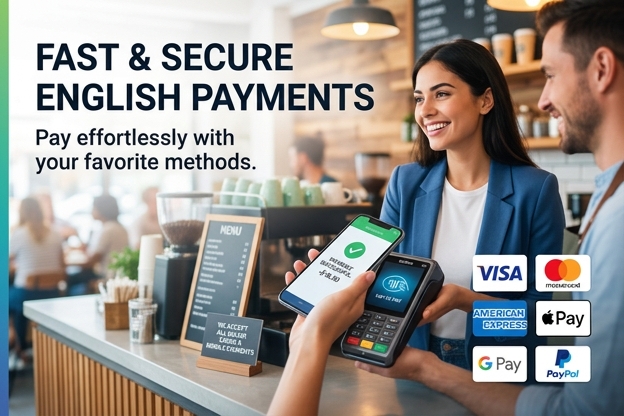
Both cards can look the same, live in the same mobile wallet, and support tap-to-pay, online checkout, and recurring billing. But the legal protections, liability exposure, and long-term financial effects are not the same. A debit card may feel safer because it avoids debt, yet a credit card may be safer in a fraud event because it does not immediately drain your bank balance.
How card transactions work behind the scenes
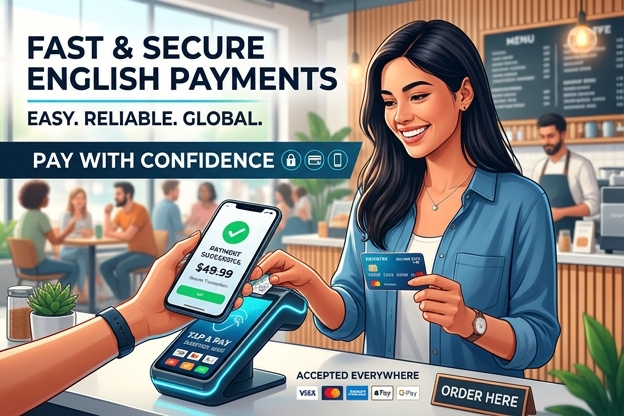
Every card payment follows a chain. The cardholder initiates a purchase. The merchant sends the payment data through a payment gateway or processor. The card network routes the request. The issuing bank approves or declines it. Then the transaction settles, and funds move through the system.
For credit cards, the issuer checks available credit, fraud signals, and account status. For debit cards, the issuer also checks available funds in the linked account. This is why a person with strong income but low checking balance may get a debit decline while the same purchase could pass on credit.
Merchants care about this plumbing because approval rates, fees, and fraud rules vary by card type, issuing bank, geography, and industry. In higher-risk sectors, these differences become even sharper.
What happens in a few seconds
- The customer enters, inserts, swipes, or taps card details.
- The merchant sends an authorization request.
- The card network routes the request to the issuer.
- The issuer checks risk, balance or limit, and account standing.
- The issuer approves or declines.
- The merchant captures the approved payment.
- Settlement moves funds, minus applicable fees.
“Consumers see one tap. Payment teams see risk scoring, issuer logic, tokenization, interchange, and dispute exposure all firing at once.”
The biggest differences that affect real life
The most important differences are not cosmetic. They show up in four areas: borrowing, budgeting, credit history, and liability.
- Source of funds: Credit uses a lender’s money; debit uses your deposit balance.
- Monthly obligation: Credit requires at least a minimum payment; debit does not.
- Credit score impact: Credit card activity can help or hurt your credit profile; debit usually does not affect it.
- Fraud handling: Credit often provides stronger practical protection because the disputed funds have not left your checking account.
- Rewards: Credit cards usually offer richer cash back, points, miles, and travel benefits.
- Overspending risk: Credit can encourage spending beyond current cash on hand; debit can trigger overdrafts if account controls are weak.
Consumer behavior data supports this split. The Consumer Financial Protection Bureau has repeatedly warned that buy-now-pay-later products and revolving credit can make spending feel frictionless, while debit use can expose account holders to liquidity stress if fraud or repeated subscriptions hit at the wrong moment. Neither tool is automatically “better.” The right tool depends on where your weak point is: debt creep or cash-flow shock.
Benefits, tradeoffs, and hidden costs
Credit cards can be excellent tools when used with discipline. They can build credit history, provide grace periods, earn rewards, and add travel or purchase protections. But a carried balance can get expensive fast. Average annual percentage rates on many cards remain high, and a few months of revolving debt can erase a year of rewards.
Debit cards keep spending grounded in available cash, which is helpful for households focused on budgeting or avoiding debt. They are also widely accepted and simple to use. Still, debit has softer spots: weaker rewards, potential overdraft fees, and less room to breathe if a hotel hold, gas station preauthorization, or fraud event ties up your money.
Side-by-side comparison
| Scenario | Credit Card Effect | Debit Card Effect | Best Fit |
|---|---|---|---|
| Online electronics purchase | Often includes chargeback rights and extended warranty perks | Funds leave account quickly if fraud occurs | Credit |
| Weekly grocery run | Rewards possible, but easier to lose track of spending | Direct budget control from checking account | Debit for strict budgeting, credit for disciplined rewards users |
| Hotel or rental car deposit | Temporary hold affects available credit, not bank cash | Temporary hold can reduce usable cash for days | Credit |
| Monthly subscriptions | Easy to track on one statement, can build credit history | May trigger overdraft or missed essentials if forgotten | Credit |
| Teen or first budget account | Risk of debt without strong guardrails | Simple spending discipline with parental controls | Debit |
Costs people often miss
With credit cards, the hidden cost is usually interest. With debit cards, it is often overdraft fees, ATM fees, or the opportunity cost of weaker rewards and lower protections. For both, late dispute reporting can make a bad situation worse.
“The cheapest card is not always the one with the lowest fee. It is the one that fits your behavior well enough that you do not trigger avoidable losses.”
Security, fraud, and chargeback protection
Security is where the choice becomes less theoretical. Credit cards generally offer stronger consumer experience during fraud disputes because unauthorized charges usually sit on a credit line rather than draining the account you use for rent, payroll deposits, or groceries. Debit card protections exist, but timing matters more. If you report an issue late, liability can increase under certain circumstances.
Visa’s 2024 payment security updates and major network guidance continue to emphasize tokenization, biometric authentication, and real-time fraud screening. Those advances help both credit and debit. Still, the impact on your cash position differs. That is why many financial planners recommend using credit for online shopping, travel bookings, and larger purchases, then paying the statement in full.
How to reduce risk with either card
- Turn on push alerts for every transaction.
- Use virtual card numbers when available for online purchases.
- Review subscriptions every month.
- Do not use a debit card linked to your main savings account for broad online spending.
- Report suspicious activity immediately.
- Use mobile wallet tokenization instead of typing card numbers into unfamiliar sites.
How to choose the right card for your situation
The best choice starts with one honest question: what problem are you trying to solve? If your biggest issue is overspending, debit may be the better everyday tool. If your biggest issue is protection, rewards, or building credit history, a well-managed credit card may serve you better.
Use this decision framework
- Check your spending habits. If you regularly carry balances, avoid chasing premium rewards cards.
- Review your cash buffer. If a temporary hold or fraud dispute would disrupt your bills, do not rely heavily on debit for travel or online purchases.
- Look at your credit goals. If you need to build or strengthen credit, a starter or secured credit card can help.
- Compare fees against value. Annual fees only make sense if the benefits clearly exceed the cost.
- Match the card to the use case. Debit for budgeting, credit for protected purchases, travel, and subscriptions is often a strong hybrid strategy.
A 2025 J.D. Power study on credit card satisfaction continued to show that consumers value mobile account tools, fraud handling, and rewards clarity more than flashy branding. That tracks with what actually moves the needle: transparency and ease of management beat marketing copy.
Who should lean toward debit
Debit may be the better primary tool if you are recovering from debt, teaching a young adult how to manage spending, or running a tight monthly budget where every dollar has an assigned purpose. It can also work well for low-risk, in-person spending where you want immediate account visibility.
Who should lean toward credit
Credit often makes more sense if you pay balances in full, travel frequently, shop online often, want consumer protections, or need to build credit history. It is also useful for recurring bills because one statement can centralize tracking and dispute resolution.
What businesses and high-risk sectors should consider
For businesses, cards are not just customer tools; they are revenue infrastructure. Approval rates, decline patterns, interchange, and chargebacks all vary by card type. This becomes especially important in online entertainment, gaming, and other monitored categories where card issuers apply tighter risk controls.
I have personally seen this with clients at iGaming Payment Solutions. In one rollout for a regulated operator entering a new state market, the team initially pushed a narrow mix of card routing rules and saw avoidable debit declines during evening peaks. We reworked the acceptance logic, added smarter retry handling, and separated user prompts for debit versus credit. Within weeks, approval quality improved and support tickets tied to “mystery declines” fell noticeably.
In another case, I worked with a merchant team that assumed debit was always better because customers “prefer to spend their own money.” The reality was more complicated. Several customers used debit for convenience, but dispute friction and insufficient-funds declines were hurting retention. After we rebalanced the payment experience and better explained card options at checkout, repeat deposit success improved without pushing customers toward unhealthy borrowing.
What merchant teams should watch closely
- Issuer-specific decline patterns by card type
- Chargeback ratios on credit versus debit-funded transactions
- Customer support reasons tied to holds, disputes, and refunds
- Local regulations and card network requirements
- Whether recurring billing behavior differs by card mix
According to the Nilson Report’s recent industry tracking, card fraud pressure remains concentrated in card-not-present environments, which means online merchants cannot treat card acceptance as a set-it-and-forget-it function. Payment optimization and customer education matter together.
Where card payments are heading next
Cards are changing even when the form factor looks familiar. Tokenized wallets, network-level fraud signals, account updater services, and smarter issuer decisioning are reducing friction in some channels while increasing scrutiny in others. Credit and debit cards are also becoming less visible as physical objects and more embedded inside apps, wallets, and one-click experiences.
According to a 2024 report by Juniper Research, digital wallet usage tied to card credentials continues to climb, especially in mobile commerce. That does not erase the distinction between credit and debit; it makes understanding the distinction more important because consumers can forget which funding source sits behind a saved payment method.
Another trend is tighter consumer attention on subscription hygiene and cash-flow control. People want convenience, but they also want clearer tools to pause recurring payments, create single-use virtual credentials, and manage shared household spending. Card issuers that provide those controls will likely keep gaining share.
What this means for consumers
The future points toward a blended strategy rather than a single winner. Many households will use debit for everyday discipline, credit for protected and reward-rich spending, and mobile wallets for convenience. The smartest users will choose intentionally instead of defaulting to whatever card appears first in the app.
Conclusion
Credit and debit cards solve different problems. Credit gives you borrowing power, stronger purchase protection, and the chance to build credit, but it can become expensive if you carry balances. Debit keeps you close to your real cash position, but it may expose you to tighter liquidity if fraud, holds, or overdrafts hit at the wrong time.
At iGaming Payment Solutions, our view is practical: the right card is the one that matches your habits, your risk tolerance, and the type of transaction you are making. Most people benefit from using both, with clear rules for when each should be used.
Next steps recommended by iGaming Payment Solutions:
- Audit your last 60 days of spending and label each transaction as “better on credit” or “better on debit.”
- Turn on real-time alerts and review your fraud settings across every active card.
- Create a personal card policy: debit for budget-controlled essentials, credit for online purchases, travel, and recurring bills you can pay in full each month.
References
Federal Reserve, 2024 Diary of Consumer Payment Choice — Provided recent insight into how U.S. consumers actually use cards and other payment methods.
Consumer Financial Protection Bureau — Offers guidance on consumer protections, dispute handling, and payment-related risks affecting households.
J.D. Power Credit Card Satisfaction Study, 2025 — Highlighted what cardholders value most in account experience, rewards, and service quality.
Visa payment security updates, 2024 — Informed the discussion on tokenization, fraud controls, and evolving card security practices.
Nilson Report industry tracking — Helped frame current fraud and chargeback pressure in card-not-present commerce.
Juniper Research, 2024 digital payments analysis — Supported the section on mobile wallets and card credential use in modern commerce.
FAQ
What is the main difference between a credit card and a debit card?
A credit card lets you borrow from an issuer and pay later, while a debit card pulls money directly from your bank account. That difference affects interest, budgeting, fraud exposure, and whether your activity helps build a credit score.
Is a credit card safer than a debit card for online shopping?
Usually, yes. Credit cards often provide a smoother dispute experience because fraudulent charges do not immediately remove cash from your checking account. Debit cards can still be safe, but quick reporting is more important if something goes wrong.
Can debit cards help build credit?
Traditional debit card use usually does not build credit because you are not borrowing. Some newer bank products offer credit-reporting features tied to debit-like behavior, but standard debit spending on its own generally will not improve your credit score.
How do I decide between Credit and Debit Cards: What They Are, How They Work, and How to Choose the Right One?
Start with your habits. Choose debit if your top priority is spending control and staying within a fixed budget. Choose credit if you pay in full each month and want rewards, stronger purchase protection, travel flexibility, or credit-building benefits. Many people do best with a mix of both.
Are rewards cards worth it if I carry a balance?
Often, no. Interest charges can wipe out the value of cash back or points very quickly. If you tend to carry balances, a low-rate card or a debit-first budget strategy is usually more cost-effective than chasing rewards.
When should I use a debit card instead of a credit card?
Debit is often a better fit for day-to-day spending when you want tight budget discipline, for youth or family-controlled accounts, or when you want to avoid any temptation to borrow. It is less ideal for large online purchases, hotels, or rental car holds.