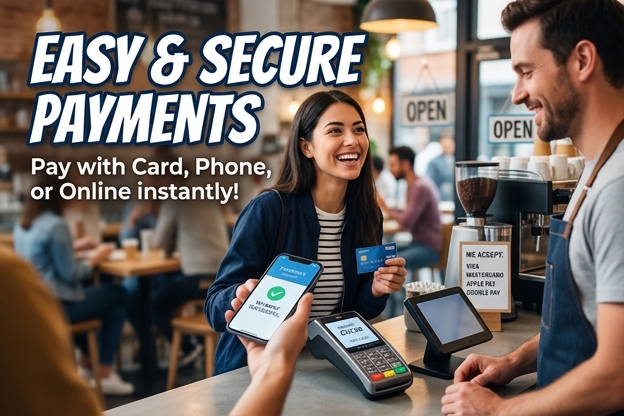

High Risk Payment Gateway: How to Choose the Right Solution for Secure Transactions
If your business deals with chargebacks, cross-border payments, regulatory pressure, or card network scrutiny, finding the right High Risk Payment Gateway: How to Choose the Right Solution for Secure Transactions is not a theory exercise. It affects approval rates, customer trust, fraud exposure, and whether your revenue keeps flowing at all. For operators in sectors like iGaming, nutraceuticals, crypto-adjacent services, travel, and subscription models, the wrong gateway can trigger rolling reserves, frozen funds, or abrupt account terminations.
That is why many merchants turn to iGaming Payment Solutions, a specialist brand that works with high-risk businesses that cannot afford generic payment setups. A standard gateway may look cheaper on paper, but if it lacks smart routing, fraud controls, alternative payment methods, and acquiring flexibility, the real cost shows up later in failed transactions and compliance headaches.
A high-risk payment gateway is a payment processing solution designed for merchants that operate in industries with elevated fraud, chargeback, legal, or reputational risk. It connects the merchant, customer, payment methods, fraud tools, and acquiring banks while adding controls that are especially important for secure transactions in high-risk sectors.
The best option is not simply the one with the lowest advertised fee. It is the gateway that can keep transactions approved, protect customer data, support compliance, and remain stable as your business grows across markets and payment methods.
Table of Contents
- What makes a payment gateway high risk
- Why standard gateways often fail high-risk merchants
- The core features that matter most
- How to evaluate security, compliance, and fraud controls
- Comparing gateway models for real business scenarios
- How iGaming Payment Solutions approaches gateway selection
- Common mistakes that lead to declined payments and frozen funds
- What to expect from high-risk payment gateways through 2026
- Final recommendations for choosing the right solution
What Makes a Payment Gateway High Risk
High-risk payment processing is usually tied to one or more factors: elevated chargeback ratios, recurring billing, large average order values, global customers, legal complexity, or industries that acquirers monitor closely. A payment gateway in this space must do more than pass card data from point A to point B. It needs to help merchants manage risk while preserving conversions.
Card networks and acquirers do not define risk by emotion. They look at measurable indicators such as fraud rates, refund patterns, unauthorized transaction claims, merchant category code exposure, and jurisdictional issues. If your business sells to multiple countries, processes subscription renewals, or serves customers in tightly regulated sectors, you are already in a category that needs specialized infrastructure.
- Industry profile: iGaming, adult, forex, travel, debt services, and some digital goods are often classified as high risk.
- Chargeback exposure: A rising dispute ratio can quickly damage your acquiring relationship.
- Cross-border activity: Multi-currency transactions add complexity and fraud risk.
- Regulatory burden: KYC, AML, PCI DSS, and local licensing rules raise the operational bar.
- Customer behavior: Impulse purchases, recurring billing, and remote identity verification raise scrutiny.
According to Mastercard’s chargeback monitoring standards updated in recent years, merchants that exceed accepted dispute thresholds face escalating remediation pressure and possible restrictions. That matters because once your merchant account is flagged, fixing the issue usually costs more than preventing it with a capable gateway setup.
Why Standard Gateways Often Fail High-Risk Merchants
General-purpose payment providers are built for broad appeal. That works well for low-risk retail and straightforward ecommerce, but high-risk merchants need deeper underwriting coordination, more flexible routing, and stronger fraud decisioning. A standard platform may approve your account quickly, then limit it later when fraud patterns or dispute volumes emerge.
The most common failure points are predictable:
- Limited acquiring bank relationships
- Weak support for localized payment methods
- Rigid fraud settings that block good customers or miss bad ones
- Slow response when a MID is under review
- Poor support for recurring billing or tokenization
Visa’s public guidance on dispute prevention and authentication continues to stress the importance of strong customer authentication, descriptor clarity, and merchant-side fraud controls. If a gateway does not support those basics well, your team ends up fighting fires manually.
“High-risk payments is not just a processing problem. It is a conversion, compliance, fraud, and treasury problem happening at the same time.”
The Core Features That Matter Most
When merchants ask what separates a dependable high-risk gateway from a risky one, I look at five areas first: approval optimization, fraud defense, acquiring flexibility, reporting, and compliance support. If one of those areas is weak, the whole setup becomes fragile.
Approval Optimization
Approval rate is often the hidden growth lever. Smart routing, cascade logic, retry rules, and local acquiring can save a meaningful share of transactions that would otherwise fail. According to a 2024 report by Juniper Research, payment optimization technologies such as intelligent routing and authentication orchestration are becoming a priority for merchants because declines remain a major source of avoidable revenue loss.
Fraud Detection and Control
Strong fraud controls should include velocity checks, device fingerprinting, geolocation analysis, 3D Secure management, BIN intelligence, and customizable rule engines. Better gateways do not force a one-size-fits-all risk model. They let merchants tune controls by country, payment method, customer segment, or product type.
Acquiring and MID Resilience
High-risk merchants should rarely depend on one acquiring relationship. A resilient gateway supports multiple MIDs, regional acquirers, backup routing, and contingency planning. If one acquirer tightens risk policy, your revenue should not stop overnight.
Reporting and Operational Visibility
You need reports that go beyond gross processing volume. Good systems show decline codes, issuer behavior, authentication outcomes, fraud trends, refund timing, and chargeback patterns. That data is where margin protection happens.
How to Evaluate Security, Compliance, and Fraud Controls
Security claims are easy to make and hard to verify. For high-risk merchants, the right questions matter more than the marketing deck. Start with PCI DSS scope, tokenization architecture, encryption standards, role-based access controls, audit logs, and incident response workflows.
As of 2024, PCI DSS 4.0 has pushed merchants and service providers toward stronger authentication, more formalized testing, and tighter operational discipline. A gateway partner should be able to explain exactly how it supports your PCI responsibilities, not merely state that it is “PCI compliant.”
Key evaluation areas should include:
- Tokenization model: Verify whether the gateway stores sensitive card data and how tokens are reused across recurring billing or wallet payments.
- 3D Secure strategy: Ask how the provider handles exemptions, frictionless flows, and liability shift by market.
- Fraud rule customization: Confirm whether your team can build rules around device data, country mismatch, proxy use, and repeat card attempts.
- Chargeback workflows: Review alert integrations, representment tools, and reporting dashboards.
- Access and auditability: Make sure finance, fraud, support, and compliance teams get the right level of visibility without overexposure.
I have seen merchants focus heavily on headline transaction fees while ignoring security architecture. That usually backfires. One fraud spike or audit gap can erase months of savings.
Comparing Gateway Models for Real Business Scenarios
Not every high-risk merchant needs the same setup. A startup sportsbook entering two regulated markets has a different risk profile from an established subscription platform selling globally. The right choice depends on transaction mix, geography, licensing position, and internal fraud maturity.
| Business Type | Best Gateway Model | Primary Risk | What Matters Most |
|---|---|---|---|
| Licensed iGaming operator in Europe | Multi-acquirer gateway with local APMs and 3DS orchestration | Regulatory variation and fraud bursts | Local acquiring, KYC support, smart routing |
| Subscription wellness brand in the US | Recurring billing gateway with strong tokenization and alerts | Friendly fraud and recurring disputes | Descriptor control, dunning, chargeback prevention |
| Cross-border travel platform | Gateway with multi-currency settlement and fraud scoring | Card-not-present fraud and refund complexity | Currency support, issuer optimization, dispute data |
| Crypto-adjacent exchange service | Gateway paired with enhanced AML screening and selective acquiring | Compliance scrutiny and account instability | AML workflows, reserve planning, backup MIDs |
The table shows why “best gateway” is always context-specific. A provider that performs well for digital subscriptions may be the wrong fit for a regulated gaming brand entering Latin America.
How iGaming Payment Solutions Approaches Gateway Selection
At iGaming Payment Solutions, we have learned that a stable payment stack starts with brutal honesty about risk. When a client says they want lower fees, we ask a different first question: where are your declines, disputes, and compliance bottlenecks really coming from? That changes the conversation from price shopping to revenue protection.
I worked on one onboarding project for an operator expanding into new European and LATAM markets. Their previous setup relied too heavily on one acquirer and a generic fraud layer. Approval rates looked decent in one market and weak in another, but no one had clean reporting on why. After mapping issuer declines, device risk, and payment preferences by country, we shifted them to a multi-gateway structure with local routing and stronger 3D Secure controls. Within the first quarter, soft declines dropped materially and support tickets tied to payment failure fell with them.
In another case, I saw a high-risk subscription merchant dealing with an ugly mix of friendly fraud and card updater issues. We reworked the billing logic, added clearer descriptors, strengthened pre-dispute monitoring, and introduced better token lifecycle management. The result was not just fewer disputes. Their finance team finally had cleaner cash-flow forecasting because settlement interruptions became less frequent.
Those projects reinforced the same lesson: the right gateway is not a plug-in. It is an operating model.
“Merchants in sensitive verticals should judge payment partners by resilience under pressure, not by the smoothness of the sales demo.”
Common Mistakes That Lead to Declined Payments and Frozen Funds
Most payment failures in high-risk environments are not random. They come from a handful of repeated mistakes that can be avoided with better planning and more realistic underwriting expectations.
Choosing Based Only on Price
Low processing fees mean very little if your approval rate is weak or your funds are held back in a heavy reserve structure. Effective cost should include declines, dispute management labor, fraud losses, and downtime risk.
Relying on One Processor or MID
Single points of failure are dangerous in high-risk payments. If one acquirer changes policy, delays settlement, or flags activity, your business can stall immediately.
Ignoring Local Payment Preferences
Cards are not enough everywhere. In many markets, bank transfers, e-wallets, instant payment methods, or cash-based options drive conversion. A high-risk gateway should support the payment mix your customers actually trust.
Weak Internal Documentation
Even the best gateway cannot compensate for poor merchant operations. Incomplete KYC files, sloppy refund policies, unclear descriptors, and inconsistent customer support all raise risk and reduce underwriting confidence.
What to Expect From High-Risk Payment Gateways Through 2026
The market is moving toward more orchestration, more data sharing across fraud and payments teams, and more localized checkout experiences. Merchants should expect gateways to function less like static connectors and more like decision engines.
According to a 2025 forecast from Gartner on digital commerce technology priorities, payment orchestration and risk-based authentication are becoming more central as merchants try to reduce friction without raising fraud exposure. That is especially relevant in high-risk sectors, where every added point of friction can reduce conversion, but every removed control can increase downstream loss.
Three trends stand out:
- Payment orchestration maturity: More merchants will route transactions dynamically across acquirers and payment methods.
- Fraud and identity convergence: Device intelligence, behavioral analytics, and KYC signals will be used more directly in authorization strategy.
- Regional payment localization: Merchants expanding internationally will need gateways that can adapt checkout and settlement country by country.
There is a balancing act, though. More tooling can create more operational complexity. If your internal team is lean, adding multiple fraud vendors and acquirers without a clear owner can create reporting blind spots. The best solution is not the one with the most features. It is the one your team can actually operate well.
Final Recommendations for Choosing the Right Solution
A strong high-risk gateway should improve approvals, reduce avoidable fraud, support compliance, and give you backup options when acquiring conditions change. It should also fit your actual business model, not a generic merchant profile.
For most high-risk merchants, the smart move is to treat gateway selection as a strategic decision involving payments, fraud, compliance, finance, and customer support. That is the only way to judge the true business impact.
iGaming Payment Solutions recommends these next actions:
- Audit your current decline rates, dispute ratios, reserve terms, and payment-method mix before speaking to providers.
- Shortlist only gateways that support multi-acquirer routing, localized payment methods, and transparent fraud controls.
- Run a measured rollout with clear KPIs for approvals, chargebacks, settlement timing, and customer payment success.
References
- PCI Security Standards Council: Guidance and operational requirements related to PCI DSS 4.0 and payment security controls.
- Visa: Public resources on dispute prevention, authentication, and merchant risk management practices.
- Mastercard: Chargeback monitoring standards and dispute-related operating guidance relevant to merchant risk.
- Juniper Research: 2024 analysis on payment optimization, orchestration, and digital transaction trends.
- Gartner: 2025 digital commerce and payment technology forecasts relevant to orchestration and authentication strategy.
FAQ
What is a high-risk payment gateway?
-
A high-risk payment gateway is a payment processing system built for merchants with elevated fraud, chargeback, regulatory, or reputational exposure. It usually includes stronger fraud controls, more flexible acquiring options, and better support for cross-border or recurring transactions than a standard gateway.
Who typically needs a high-risk payment gateway?
-
Businesses in sectors such as iGaming, travel, subscription ecommerce, forex, adult, digital services, and some nutraceutical brands often need one. Common triggers include:
High chargeback exposure
Cross-border sales and multi-currency payments
Recurring billing or delayed fulfillment
Added regulatory or AML scrutiny
High Risk Payment Gateway: How to Choose the Right Solution for Secure Transactions?
-
Start by matching the gateway to your real risk profile, not just your budget. Focus on these criteria:
Approval optimization through smart routing and local acquiring
Fraud controls such as 3D Secure, device intelligence, and custom rules
Compliance support for PCI DSS, KYC, and AML requirements
Multiple acquiring relationships and backup processing options
Clear reporting on declines, disputes, settlements, and reserves
Are high-risk payment gateways more expensive?
-
Usually, yes. Processing fees, reserves, and onboarding requirements are often higher because the provider is taking on more exposure. Still, a better high-risk gateway can lower your total cost by improving approvals, reducing fraud loss, and preventing account instability.
What documents should merchants prepare before applying?
-
Most providers will ask for a strong underwriting package, including:
Corporate registration documents
Owner and director identification
Processing history and chargeback data
Website terms, refund policy, and customer support details
Licensing or compliance documents where required
Can a gateway help reduce chargebacks?
-
Yes, but only if it includes the right tools and your team uses them well. Helpful features include fraud scoring, 3D Secure, clear descriptors, alert integrations, token management, and reporting that shows where disputes are coming from.
Should I use more than one acquirer or processor?
-
In many high-risk cases, yes. A multi-acquirer setup can improve approval rates, provide backup if one relationship becomes unstable, and support better regional performance. It does add operational complexity, so the gateway should make routing and reporting manageable.